


Plastic Man (1979–1981)
Few superheroes are higher suited to animation than Plastic Man. The unique comics by Jack Cole stretched the bounds of the comedian e-book type as a lot as Plas himself reshaped his physique, and motion would solely make his exploits extra wacky. A few of that playfulness actually makes it into the Plastic Man cartoon present, which ultimately expanded into The Plastic Man Comedy/Journey Present.
Nevertheless, the sequence largely prevented stuff from the comics, making Plastic Man right into a undercover agent, changing his comedian sidekick Woozy Winks with a Polynesian man named (ugh) Hula-Hula, and ultimately giving him a spouse and a baby referred to as Child Plas. The sequence was successful for a few 12 months, however the buzz shortly died, residing at the moment solely as a half-memory for Gen Xers.
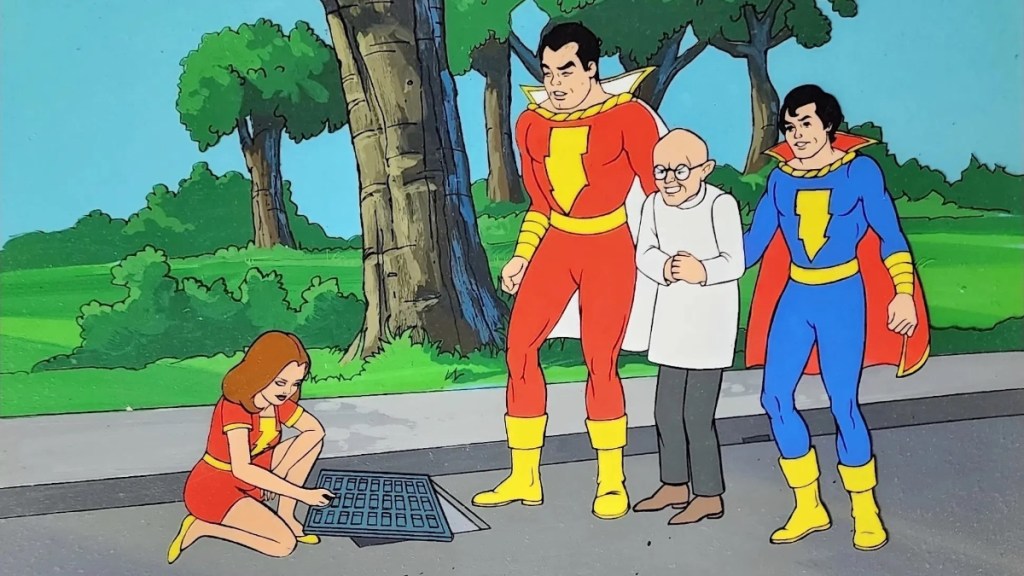
The Child Tremendous Energy Hour With Shazam! (1981-1982)
Like Plastic Man, the hero initially referred to as Captain Marvel (now referred to as Shazam, for copyright causes) is uniquely well-suited to cartoons. In spite of everything, what child wouldn’t need to see themselves in Billy Batson, the boy who will get Superman-style powers every time he says “Shazam!” The sequence did a pleasant job adapting Captain Marvel’s whimsical adventures to animation, and Filmation hoped to capitalize on the enchantment by pairing them with Hero Excessive, a sequence about college students at a superhero highschool. Nevertheless, the potential by no means paid off and The Child Tremendous Energy Hour With Shazam! ended after one season.
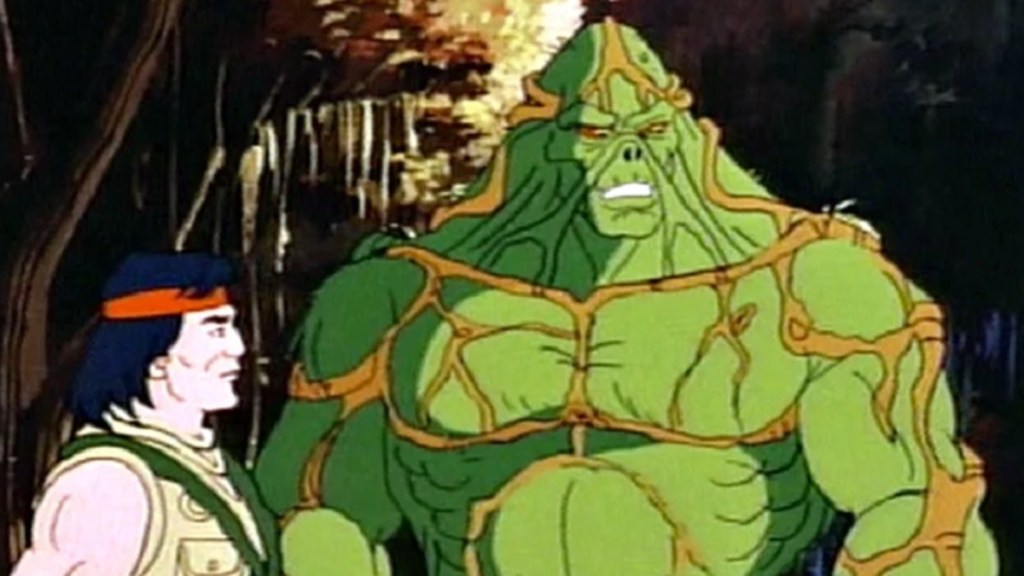
Swamp Factor (1990–1991)
As an enormous inexperienced pile of mush who protects the surroundings, Swamp Factor makes good sense because the star of a Captain Planet-type present. However the Swamp Factor cartoon that ran for 5 episodes throughout 1990 and 1991 was much less an ordinary comedian e-book adaptation and one other occasion of that unusual ’80s phenomenon of making a child’s cartoon out of an R-rated property. As an alternative of drawing from Swamp Factor’s extra superhero tales, the cartoon adopted the 1982 Wes Craven film and the horror-focused stay motion sequence that debuted on the USA Community on the identical time. Regardless of a toy line and a theme track based mostly on “Wild Factor” by The Troggs, Swamp Factor did not develop on children.
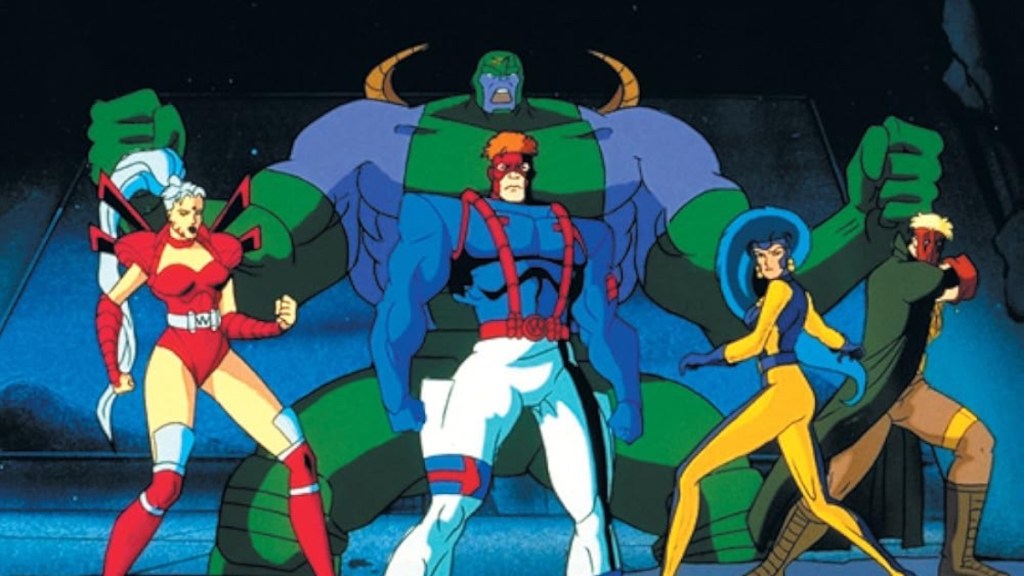
Wild C.A.T.s: Covert Motion Groups (1994–1995)
We’re going to cheat a bit right here, as Wild C.A.T.s was not a DC property when the cartoon aired for one season on CBS. As an alternative, creator Jim Lee printed the sequence via Picture Comics. When X-Males: The Animated Collection grew to become an enormous hit utilizing his artwork fashion, Lee managed to deliver his Wild C.A.T.s to the display screen. However like their comedian e-book counterparts, the animated Wild C.A.T.s didn’t have practically the identical degree of characterization or drama as Marvel’s mutants, and the sequence stays a footnote, particularly now that the group is a part of the DC Universe.
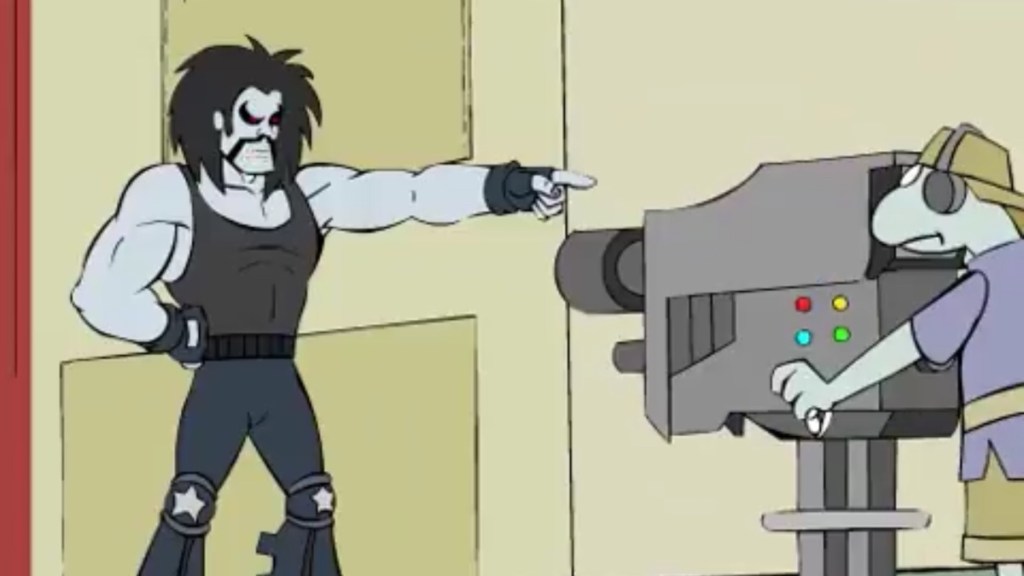
Lobo (2000)
Author Keith Giffen might have launched Lobo within the Nineteen Eighties, however the character hit it massive within the ’90s, when Giffen, co-writer Alan Grant, and artist Simon Bisely used him to parody the edgy comics of the period. So it makes a certain quantity of sense that Lobo would star in a then-relevant and now dated cartoon sequence in 2000. A sequence of webtoons animated in Flash, Lobo provided 14 episodes of swears and gory, random violence, all offered in herky jerky actions that might stress the graphics card in your new Dell.

