


Unsealed: The Mare is an upcoming psychological horror sport, which, based on its Steam web page, provides a “darkish and emotional story.” The sport contains three totally different chapters, that includes totally different mechanics which intensify the general problem the participant faces over time. We had the chance at Rely to interview Simon Andersson, lead at Gamhalla, and each writer and developer behind this intriguing indie.
The sport is slated for launch on March 10 on PC through Steam. You may learn on to know Simon’s thought course of behind the event of this subsequent title in my private favourite subgenre of horror gaming.
ROH: You’ve spoken about how your personal experiences with sleep paralysis instantly impressed Unsealed: The Mare. Are you able to stroll us by a particular second or sensation from these experiences that grew to become foundational to the sport’s sound design, environments, or central entity?
One of the crucial defining sensations from sleep paralysis for me is that pressurized feeling that one thing is within the room with you. Generally you see one thing in a nook, generally you solely hear unusual sounds, however there’s this overwhelming sense that you’re not alone. Even when it solely lasts for seconds, it feels for much longer. That blend of distorted time, delicate audio, and the sensation of being watched grew to become foundational to the sport’s sound design and the central entity. The concept of one thing that doesn’t rush, that merely stands there and takes its time, influenced the environment and the best way encounters are designed.
ROH: Sleep paralysis exists in a fragile area between dreaming and waking. How did you translate that unsettling in-between state into interactive gameplay with out dropping its unpredictability?
The sport doesn’t actually happen throughout sleep paralysis, however it builds on that fragile area between dreaming and waking. In desires, what you bear in mind or consider can affect what you expertise, and you aren’t all the time sure how a lot management you really have. I translated that into gameplay by letting reminiscence actively have an effect on the atmosphere by Focus Reminiscence. You may use it to progress, however you might also want to make use of it throughout encounters, whereas one thing is actively threatening you. That blend of reminiscence, notion, and stress is what recreates that unsettling in-between state in an interactive means.
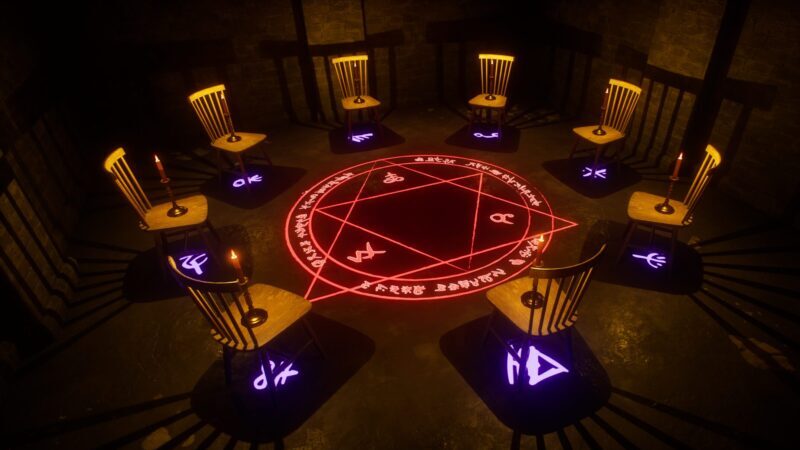
ROH: The “Focus Reminiscence” mechanic seems central to each gameplay and narrative. When did this concept first take form, and the way did it evolve all through improvement?
It was really one of many later issues I added to the sport. I wished a mechanic that might give the participant extra management in sure conditions whereas nonetheless protecting the strain and engagement excessive. On the similar time, it naturally grew to become a robust method to inform the story and construct on the concept of influencing the dream by reminiscence. Over time, it grew into one thing central to each the gameplay and the narrative. It connects development, encounters, and the dream idea in a means that ties every part collectively.
ROH: How does Focus Reminiscence seamlessly shift environments to proceed the story, and what had been the largest design or technical challenges in making these transitions really feel pure fairly than jarring?
Focus Reminiscence can open a brand new room, reveal a hidden path, reveal items of the lore, and even chain a door throughout an encounter to present you a number of additional seconds to proceed your goal. An essential a part of making that work was guaranteeing it felt just like the participant was actively inflicting the change, not just like the world was randomly reacting by itself. One of many greatest challenges was making the mechanic really feel satisfying and intuitive. It needed to be clear when and the place you would use it, with out over-explaining it. A lot of the work went into suggestions, timing, and making the interplay really feel deliberate fairly than abrupt.
ROH: Horror typically leans both into slow-burn dread or sharp soar scares. How did you stability extended pressure with sudden shocks to create a dynamic expertise?
Audio undoubtedly performs an enormous position on this. In Unsealed: The Mare, it’s a mixture of gradual dread and sharp soar scares. I feel the hot button is to let the participant consider they perceive what will occur, after which change issues barely so it catches them off guard. For the slower dread, it’s extra about stress and restricted choices. You might be typically not utterly secure, even when nothing speedy is going on. That lingering feeling, mixed with delicate audio cues, retains the strain constructing in order that when one thing sudden does occur, it feels stronger.
ROH: As a developer who has to replay sequences repeatedly, how do you successfully playtest soar scares and pressure to make sure they continue to be scary for gamers?
That’s undoubtedly one of many hardest components as a developer, as a result of after replaying one thing many instances, it stops being scary to you. That’s the reason playtesting has been so essential. I’ve had quite a few playtests with individuals from totally different backgrounds and with totally different ranges of expertise in each gaming and horror. Some scares have an effect on sure gamers greater than others, so you will need to observe reactions and alter timing, audio, and buildup accordingly. Not each scare is totally scripted both, as some moments are extra dynamic or can occur in barely alternative ways, which helps hold them unpredictable for gamers.

ROH: Sound performs a serious position in psychological horror. How did you strategy audio design to seize the suffocating, motionless terror related to sleep paralysis?
Audio has been a serious focus of the sport and probably the most attention-grabbing components to work on. Numerous it comes right down to experimenting with pitch, reverb, distortion, and layering totally different sounds at particular volumes and timings to create a sure environment. For the sleep paralysis affect, it’s extra about recreating that particular feeling you get if you end up motionless. You are feeling helpless, like one thing else is in management. Time slows down, and for those who see one thing within the room, it’s simply taking its time with you, in no rush. That feeling is what I attempted to seize by the audio design.
ROH: Working as a solo developer in northern Sweden, the place lengthy and darkish days are prevalent, how did your environment affect the tone and environment of the sport?
Through the winter in northern Sweden, there are only some hours of daylight, and sometimes you spend these hours working, so that you barely see the solar in any respect. The chilly and the lengthy durations of darkness naturally create a heavier environment round you. When it’s darkish exterior for a lot of the day, it impacts your temper and the general tone of what you’re engaged on.
ROH: What drew you to the horror style within the first place, and the way does Unsealed: The Mare differentiate itself from different titles within the psychological horror area?
I’ve all the time cherished horror video games, and I really feel like I’ve performed most of what’s on the market. In some unspecified time in the future, I wished to create my very own tackle the style. I wished to make one thing that felt extra intense and tougher, the place the participant has to actively suppose and interact fairly than simply transfer ahead. With Unsealed: The Mare, I wished the story to require effort. You might be given clues and items of knowledge, however it’s as much as you to attach them and work out what is de facto happening. I additionally wished the participant to have extra company, the place consciousness, decision-making, and technique really matter.
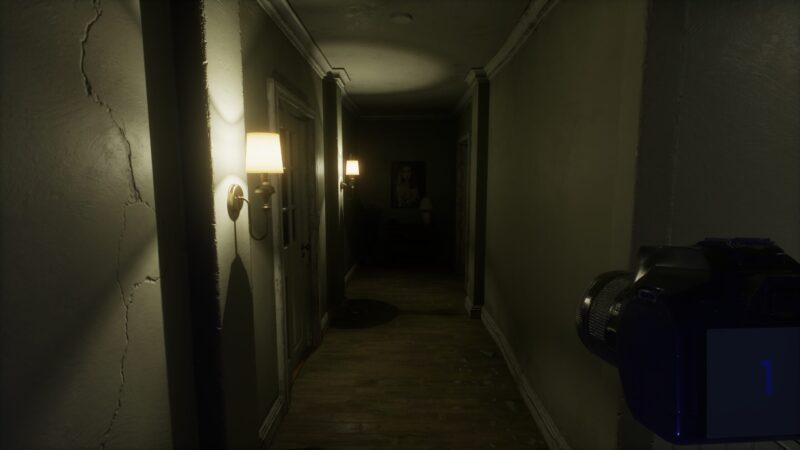
ROH: Trying again on improvement, what was essentially the most difficult facet of bringing such a private and atmospheric challenge to life by yourself?
Probably the most difficult half was balancing every part whereas working alone. Numerous time went into playtesting, adjusting sections, tuning issue, and refining the audio suggestions. As a result of the sport depends closely on environment and sound, small adjustments could make an enormous distinction. Making one thing intense and difficult whereas nonetheless giving the participant sufficient room to know what is going on and enhance took a whole lot of iteration.
ROH: Had been there any concepts or sequences that proved too intense or private to incorporate, or did leaning into discomfort develop into a part of the artistic course of?
There have been a number of moments throughout improvement the place I questioned whether or not sure scenes had been too intense. In the long run, I selected to maintain them, however they required additional thought in how they had been introduced. Leaning into discomfort did develop into a part of the artistic course of. Psychological horror is usually about tough feelings and unsettling conditions, and I didn’t need to soften these moments an excessive amount of. On the similar time, it was essential that they felt significant and linked to the story fairly than being included purely for shock worth.
ROH: When gamers attain the top of Unsealed: The Mare, what emotional or thematic takeaway do you hope lingers with them?
It does depend upon how a lot of the story every participant picks up alongside the best way, however my hope is that gamers stroll away nonetheless interested by it. Even when they really feel like they perceive what occurred, I would like there to be lingering questions. Possibly they revisit sure moments of their thoughts and begin questioning whether or not one thing earlier connects to one thing later. The story leaves room for interpretation, and I hope it lingers lengthy sufficient for gamers to maintain piecing it collectively, even after the sport ends.
As all the time, you may look ahead to a overview from us for the sport quickly, and luxuriate in the brand new “Behind the Scenes” trailer under to take a gander at what’s to come back!

